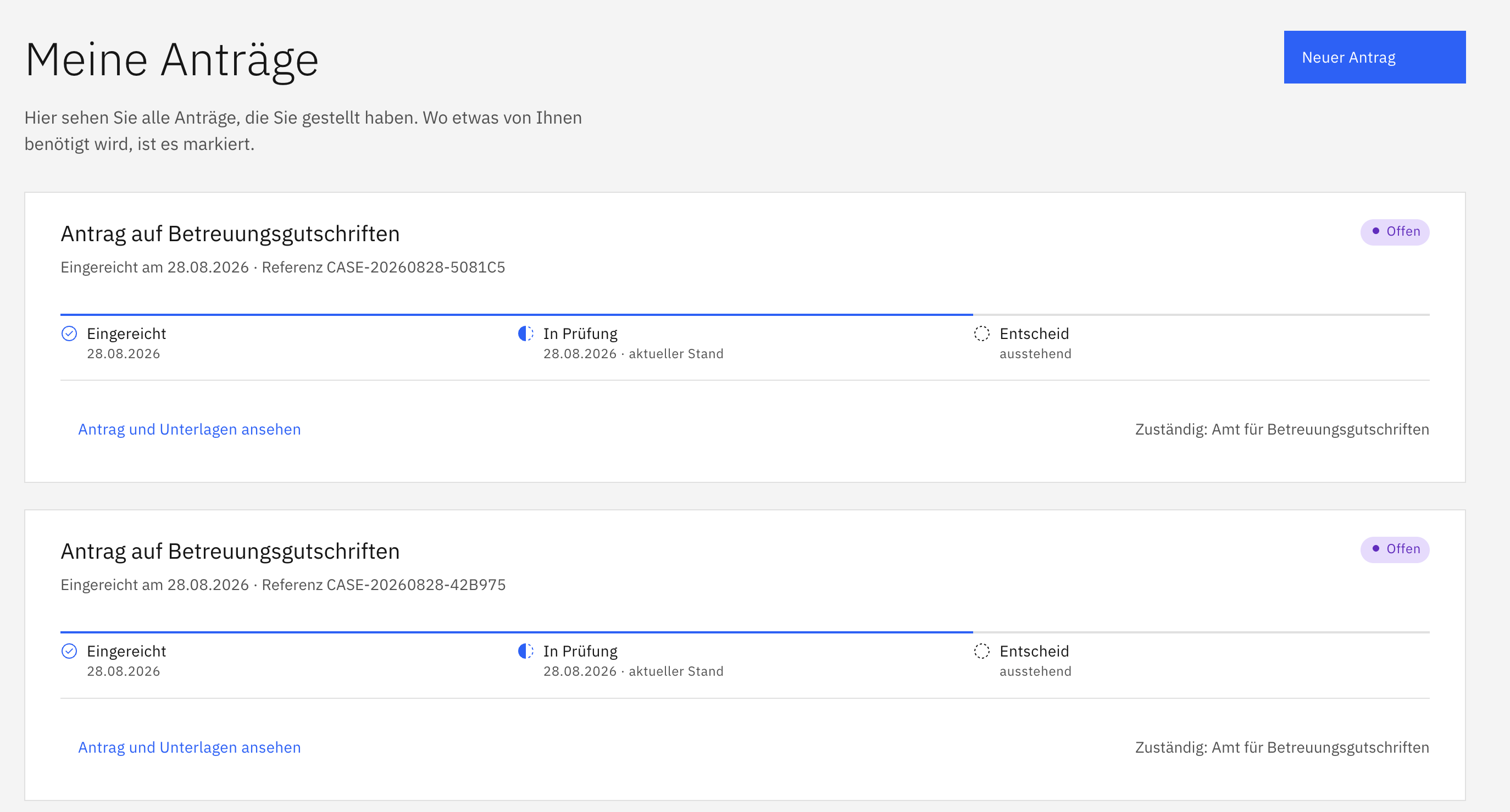
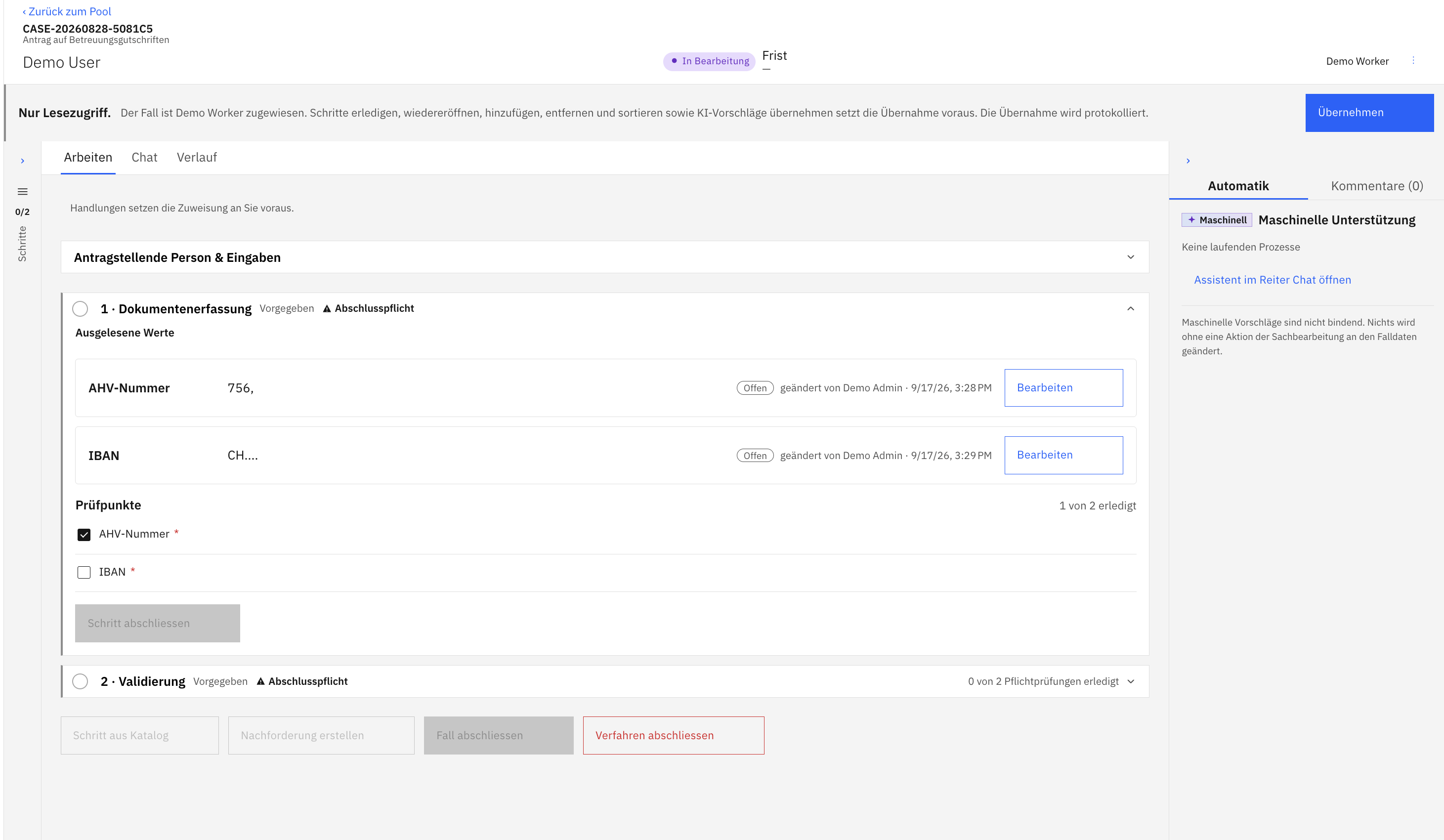
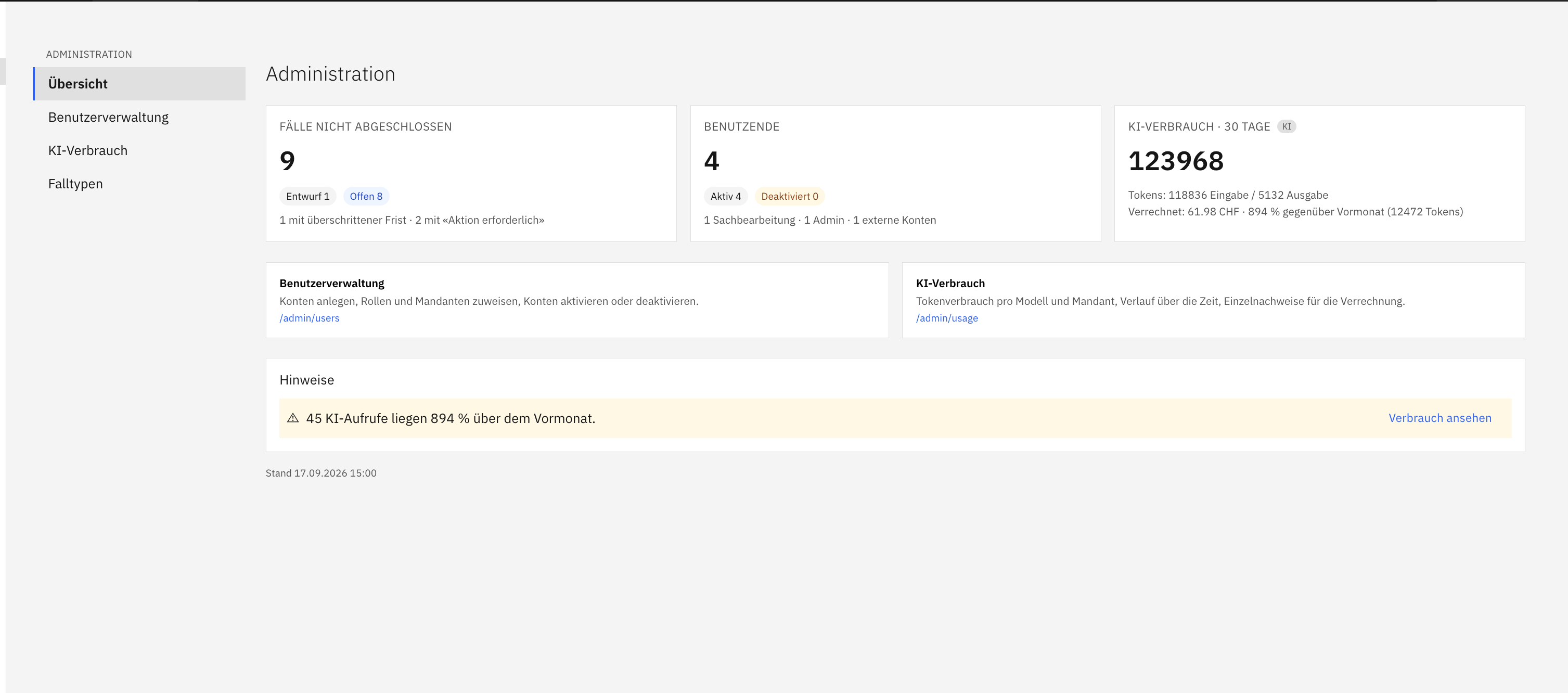
Since May 2026, waltra has tested one narrow use of AI with three Gemeinden in the canton of Zurich, in a proof of concept built together with EBP: supporting the intake of new municipal procedures. The project starts from the observation that the regulatory basis for AI in Swiss municipalities is thin, and its guiding question is therefore legal before it is technical: the circumstances under which AI may support municipal work at all.
Where the question came from
Waltra is a side project, and it grew out of a relationship that dates back to EBP becoming a strategic investor in pelt8, described further below. It offers a chance to work on legal, regulatory and political questions with partners who proved to be good collaborators in that period. One of the three participating Gemeinden is the municipality in which I received my citizenship, so the applicant’s perspective on a municipal procedure is first-hand rather than inferred.
A second thread came from education. Coursework on the EU AI Act, the European Union’s regulatory framework for AI, and on ISO/IEC 42001, the international standard for AI management systems, proved easier to absorb when applied to a real case than when studied in the abstract. The coursework was consequently extended into waltra itself.
One exchange, two inefficiencies
Swiss municipalities are still early in adopting AI, and the goal was to find a secure way for them to begin. After a few iterations, the focus narrowed to the intake of new procedures, the procedures in question being listed at waltra.ch. Intake exposes inefficiency on both sides of the same exchange. Applicants often receive no adequate translation, wait for feedback without visibility into status, and remain unsure whether they have submitted the right documents, which are frequently long PDFs, about as digital as most municipalities get. Municipal staff, in turn, receive incomplete or incorrect submissions, and much of what arrives is not digital at all, so that it still has to be scanned.
The popular view holds that AI is an obvious remedy for administrative friction of this kind. A closer look shows that the friction is only half of the problem: the other half is that the legal basis for applying AI within a municipality has barely been established, which is why the project treats the legal question as the driver of the work rather than as a preliminary to it.
A consortium before a codebase
Before any prototype, a consortium was formed of (1) EBP, (2) three Zurich-based municipalities, and (3) a large Swiss IT company responsible for running the infrastructure and ensuring data privacy. Multiple workshop rounds then mapped a procedure end-to-end, from submission through to digital archiving, in order to identify where AI could create the most value. Intake emerged as the clearest opportunity and is the current focus; a prototype followed soon after the project began.
A founder with borrowed capacity
The delivery team consists of one engineer and one UX designer, both provided through EBP, while the founder role carries the remaining responsibilities. As founder, I formed the consortium and ran the workshop rounds, and I set the legal and regulatory question that the prototype has to answer. Responsibility is therefore divided between (1) direction and partnership, held by the founder, and (2) build capacity, held by EBP.
Learning as the metric
It is too early for hard metrics, since the proof of concept is still running with the three Gemeinden. Impact is measured instead in what is learned, both about AI in a municipal context and about the legal and regulatory questions the project set out to explore. There is deliberately no ambition to turn waltra into a self-service startup; the project is experimental, and its main goal is learning. A handover to EBP is currently being explored, so that EBP could possibly create a dedicated team. My assessment is that this is the more consistent path for a project whose value lies in its legal and regulatory findings rather than in a stand-alone product.
Screenshots